Hisense HRF266N6CSE Manual: A Comprehensive Guide
This detailed manual provides essential guidance for installation, operation, maintenance, and troubleshooting of your Hisense HRF266N6CSE refrigerator, ensuring optimal performance.
Welcome to the Hisense HRF266N6CSE refrigerator experience! This 26.6 cu. ft. French door refrigerator is designed to provide reliable cooling and convenient features for modern living. This manual serves as a comprehensive resource, guiding you through every aspect of your appliance – from initial setup and daily operation to detailed maintenance and troubleshooting.
Understanding how to properly utilize your refrigerator’s features, as outlined in this guide, will maximize its efficiency and lifespan. We strongly recommend carefully reviewing the “Using Your Appliance” section (Page 15 on ManualsLib) before first use. This manual covers installation, display controls, cleaning procedures, and responsible disposal practices. Access additional support, guides, and manuals directly from Hisense for optimal assistance.
Key Features and Specifications
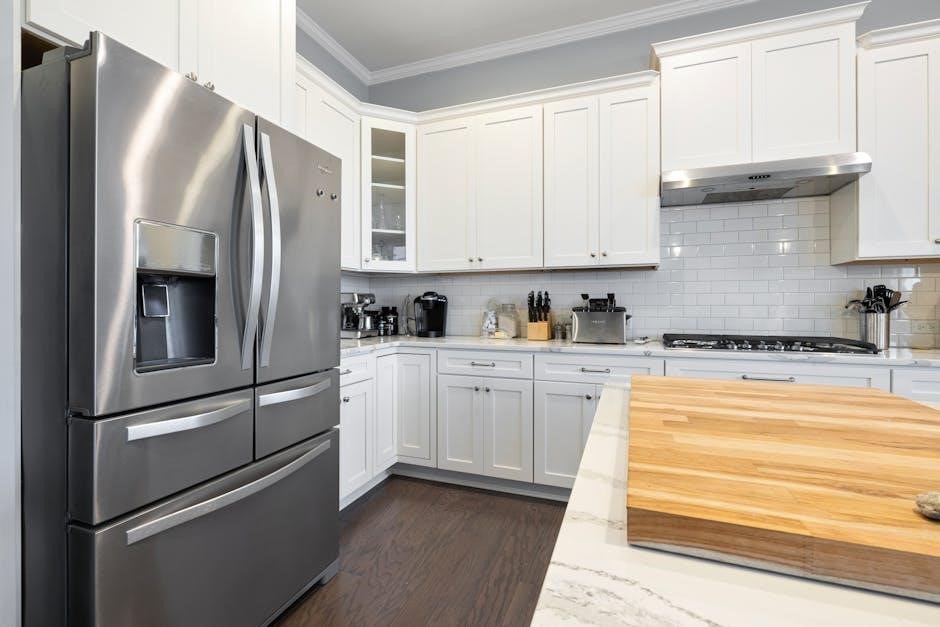
The Hisense HRF266N6CSE boasts a generous 26.6 cu. ft. capacity, offering ample space for all your refrigeration needs. Its French door design provides easy access to frequently used items, while adjustable shelving and door bins maximize storage flexibility. A key feature is the integrated ice maker, delivering chilled refreshment on demand.
This model includes humidity-controlled crispers, preserving the freshness of your fruits and vegetables. Partswarehouse offers OEM replacement parts, ensuring longevity. The refrigerator’s operation and maintenance are thoroughly detailed in the Use & Care Guide. Explore the display controls for precise temperature management. Hisense provides dedicated support resources, including guides and troubleshooting tips, to enhance your ownership experience.
Installation and Setup
Proper installation is crucial for optimal performance; carefully unpack, position, and level the refrigerator before connecting it to a power source, as detailed in the guide.
Unpacking and Initial Inspection
Carefully unpack your new Hisense HRF266N6CSE refrigerator, removing all packaging materials, including tape and protective films. Thoroughly inspect the appliance for any signs of shipping damage, such as dents, scratches, or broken components.
Document any damage immediately with photographs and contact the retailer or Hisense customer support. Verify that all included accessories, like shelves, door bins, and the ice maker components, are present.
Before proceeding, ensure the refrigerator is clean and free of any debris from the packaging process. Retain the packaging materials for potential future transport or warranty claims. A detailed initial inspection safeguards against potential issues later on.
Positioning and Leveling the Refrigerator
Select a location for your Hisense HRF266N6CSE that is level, stable, and well-ventilated. Ensure sufficient space around the refrigerator – at least 2 inches on the sides and top, and 1 inch at the rear – for proper air circulation. Avoid placing the appliance near heat sources or in direct sunlight.
Use a level to check the refrigerator’s stability. Adjust the leveling feet, located at the bottom corners, until the appliance is perfectly balanced; Proper leveling minimizes noise and ensures the doors close securely.
Confirm the floor can support the refrigerator’s weight when fully loaded. Incorrect positioning or leveling can affect performance and potentially damage the appliance.
Connecting to Power
Before connecting your Hisense HRF266N6CSE to a power source, verify the voltage and frequency match the specifications listed on the appliance’s rating label. Typically, this is a standard 120V/60Hz connection. Ensure the outlet is properly grounded for safety.
Avoid using extension cords or multi-outlet adapters, as they can pose a fire hazard. If an extension cord is absolutely necessary, use a heavy-duty cord specifically designed for appliances and ensure it’s properly rated.
Plug the refrigerator directly into a dedicated electrical outlet. After connecting, allow the appliance several hours to reach its optimal operating temperature before loading it with food. Do not turn on other appliances using the same outlet.
Operating the Refrigerator
Effectively utilize the Hisense HRF266N6CSE by understanding its control panel, temperature settings, and ice maker functions for optimal food preservation and convenience.
Understanding the Control Panel
The Hisense HRF266N6CSE’s control panel is designed for intuitive operation, allowing precise adjustments to refrigerator and freezer temperatures. Familiarize yourself with the display, which clearly indicates current settings and any active features. The panel typically includes buttons for power, temperature up/down adjustments for both compartments, and options for quick freeze or cooling.
Specific functions, like ice maker on/off or door alarm settings, are also accessible through the control panel. Some models may feature a diagnostic function, displaying error codes to assist with troubleshooting. Refer to the full manual for detailed explanations of each button and display indicator. Understanding these controls ensures you can customize the refrigerator’s performance to suit your specific needs and maintain optimal food storage conditions.
Temperature Control Settings
Adjusting the temperature on your Hisense HRF266N6CSE is crucial for food preservation. The recommended refrigerator temperature is between 37°F (3°C) and 40°F (4°C), while the freezer should be set at 0°F (-18°C). Use the control panel buttons to increase or decrease the temperature in each compartment.
Allow 24 hours for temperature changes to fully stabilize after adjustments. Avoid frequent temperature fluctuations, as this can impact food quality. Some models offer preset temperature modes for specific needs, like quick cooling or energy saving. Regularly monitor the temperature to ensure optimal performance. Proper temperature control maximizes freshness and minimizes food spoilage, contributing to a more efficient and cost-effective refrigerator operation.
Using the Ice Maker
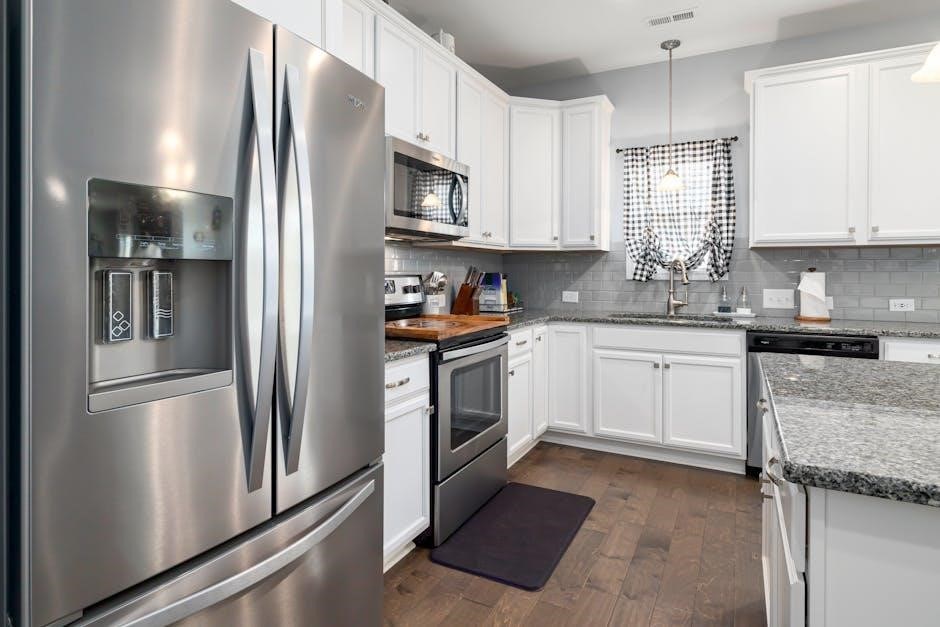
The Hisense HRF266N6CSE’s ice maker automatically produces ice when connected to a water supply. Ensure the water line is properly connected and the water supply valve is fully open. Initially, discard the first few batches of ice to flush the system. The ice maker features an on/off switch, allowing you to disable ice production when needed.
Monitor ice production; it typically takes several hours for the first batch to form. If ice production is slow or stops, check the water filter and ensure it isn’t clogged. Avoid overfilling the ice bin. Regularly empty the bin to prevent ice from melting and refreezing. Proper ice maker usage ensures a consistent supply of fresh ice for your beverages and needs.
Refrigerator Features in Detail
Explore the advanced functionalities of your Hisense HRF266N6CSE, including French door operation, adjustable shelving, and humidity-controlled crispers for optimal food preservation.
French Door Operation
The Hisense HRF266N6CSE boasts a convenient French door design, offering easy access to frequently used items. Gently pull either refrigerator door outward to open; they are designed for smooth operation. Avoid excessive force, as this could strain the hinges.
The doors may feature a ‘door-in-door’ function (depending on the specific model variation) allowing quick access to beverages and snacks without fully opening the refrigerator. Ensure the doors seal properly after each use to maintain optimal cooling efficiency. Regularly check the door gaskets for any damage or debris that might prevent a tight seal. Proper sealing is crucial for energy conservation and preserving food freshness. Familiarize yourself with the door alignment adjustments if needed, to ensure seamless operation.
Adjustable Shelving and Door Bins
The Hisense HRF266N6CSE offers remarkable flexibility with its adjustable shelving and door bins, allowing for customized storage solutions. Most shelves are designed to slide out, reposition, or even be removed entirely to accommodate items of varying heights and widths. Door bins are similarly adjustable, enabling you to create space for larger containers like milk jugs or juice cartons.
To adjust a shelf, gently lift the front edge and slide it forward, then reposition it to the desired height. Ensure the shelf is securely seated in the supports before placing items on it. Regularly rearranging the shelving and bins optimizes space and improves accessibility. Avoid overloading shelves or bins, as this could cause them to become unstable or damage the refrigerator’s interior.
Humidity-Controlled Crispers
The Hisense HRF266N6CSE features humidity-controlled crispers designed to extend the freshness of your fruits and vegetables. These crisper drawers allow you to regulate the humidity levels, creating an optimal environment for different produce types. Higher humidity is ideal for leafy greens and vegetables that wilt easily, while lower humidity suits fruits prone to rotting.
Adjust the humidity level using the slider control on the crisper drawer. Closing the vent increases humidity, while opening it decreases it. Regularly check and remove any spoiled produce to prevent ethylene gas buildup, which can accelerate ripening and spoilage. Proper use of the humidity-controlled crispers significantly reduces food waste and maintains produce quality.

Maintenance and Cleaning
Regular cleaning and maintenance are crucial for optimal performance and longevity of your Hisense HRF266N6CSE refrigerator, ensuring hygienic food storage.
Regular Cleaning Procedures
Maintaining a clean refrigerator is essential for food safety and appliance efficiency. Disconnect power before cleaning. Use a mild detergent solution and warm water to wipe down interior surfaces – shelves, drawers, and door bins – at least monthly.
Avoid abrasive cleaners, as they can damage the surfaces. Rinse thoroughly with clean water and dry completely. The exterior of the refrigerator should be cleaned with a damp cloth and mild soap.
Pay attention to door gaskets, ensuring they are clean and sealing properly. Regularly clean the condenser coils (located at the back or bottom of the unit) with a vacuum cleaner brush attachment to improve cooling performance. Don’t forget to empty and clean the drip tray, if applicable, to prevent odors.
Defrosting the Freezer
The Hisense HRF266N6CSE may require manual defrosting depending on the model and freezer type. If ice buildup exceeds ¼ inch, defrosting is recommended. Begin by disconnecting the refrigerator from the power supply. Remove all food items and store them appropriately to maintain temperature.
Place towels or pans inside the freezer to collect melting water. Allow the ice to thaw naturally; avoid using sharp objects to scrape ice, as this can damage the freezer walls.
You can speed up the process by placing bowls of hot water inside. Once completely defrosted, thoroughly clean and dry the freezer interior before reconnecting the power and returning the food. Regular defrosting ensures optimal freezer performance and prevents excessive energy consumption.
Replacing the Water Filter (if applicable)
If your Hisense HRF266N6CSE model includes a water filter, regular replacement is crucial for maintaining water quality and ice maker functionality. Typically, filters should be replaced every six months, or sooner if water flow diminishes. Locate the filter, usually within the refrigerator compartment or base grille.
Gently twist and pull to remove the old filter. Before installing the new filter, ensure it’s the correct replacement type for your model. Align the new filter and firmly push it into place until it locks.
Flush the system by dispensing water for several minutes to remove any air or loose particles. Reset the filter indicator on the control panel, if applicable, following the manual’s instructions.
Troubleshooting Common Issues
This section details solutions for typical problems like cooling failures, ice maker malfunctions, and display errors, helping you resolve issues quickly and efficiently.
Refrigerator Not Cooling
If your Hisense HRF266N6CSE refrigerator isn’t cooling, first verify the power supply and ensure the unit is properly plugged in. Check the temperature control settings; they may have been accidentally adjusted. Confirm the condenser coils are clean, as dust buildup restricts airflow and reduces efficiency.
Inspect the door seals for any gaps or damage, preventing cold air from being contained. A blocked vent inside the refrigerator can also hinder cooling; ensure items aren’t obstructing airflow. If the issue persists, the compressor or the start relay might be faulty, requiring professional service. A frozen evaporator coil could also be the culprit, necessitating defrosting. Remember to consult the full manual for detailed diagrams and safety precautions before attempting any repairs yourself.
Ice Maker Malfunctions
Should your Hisense HRF266N6CSE ice maker fail to produce ice, begin by confirming it’s switched ‘on’ within the refrigerator’s control panel settings. Verify the water supply line is correctly connected and the water valve is fully open, allowing sufficient water flow. Check for any kinks or blockages in the water line itself.
A frozen water line can also prevent ice production; try defrosting it. If ice clumps are forming, the ice maker may need cleaning. Ensure the ice bin isn’t overfilled, obstructing the ice ejection process. For persistent issues, a faulty ice maker module or water inlet valve might require professional attention. Always refer to the comprehensive manual for specific troubleshooting steps and safety guidelines before attempting any repairs.
Display Panel Errors
If the display panel on your Hisense HRF266N6CSE refrigerator exhibits an error code, consult the detailed error code list within the comprehensive user manual. These codes pinpoint specific issues, ranging from temperature sensor failures to defrost system malfunctions. Often, a simple power cycle – unplugging the refrigerator for several minutes and then plugging it back in – can resolve temporary glitches.
However, persistent error codes indicate a deeper problem requiring attention. Do not attempt to self-repair complex issues. Instead, record the error code and contact Hisense customer support or a qualified appliance technician for assistance. Ignoring error codes can lead to further damage and compromise the refrigerator’s performance. Refer to the manual for contact information and warranty details.
Safety Information and Disposal
Prioritize safety by following all precautions outlined in this manual, and responsibly dispose of your Hisense HRF266N6CSE according to local regulations.
Important Safety Precautions
To ensure your safety and the longevity of your Hisense HRF266N6CSE refrigerator, please adhere to the following crucial precautions. Always unplug the appliance before cleaning or performing maintenance. Never use flammable sprays or solvents near the refrigerator, as they pose a fire hazard.
Avoid overloading electrical outlets, and ensure the power cord is not damaged. Do not attempt to repair the appliance yourself; contact qualified service personnel for assistance. Keep ventilation openings clear of obstructions to prevent overheating.
Children should be supervised to ensure they do not play with the appliance. Proper grounding is essential for electrical safety. Do not store explosive substances inside the refrigerator. Regularly inspect the power cord for wear and tear. Following these guidelines will help prevent accidents and maintain a safe operating environment.
Responsible Disposal Guidelines
When it’s time to dispose of your Hisense HRF266N6CSE refrigerator, please do so responsibly and in accordance with local environmental regulations. Do not simply abandon the appliance, as it contains refrigerants and other materials that can harm the environment.
Contact your local waste management authority or recycling center to determine the proper disposal method. Many areas offer appliance recycling programs. Removing the doors and latches before disposal can prevent accidental entrapment.
Ensure that any refrigerants are safely recovered by a certified technician. Proper disposal minimizes environmental impact and promotes sustainability. Consider donating the appliance if it’s still in working condition. Following these guidelines demonstrates environmental stewardship and responsible consumer behavior.