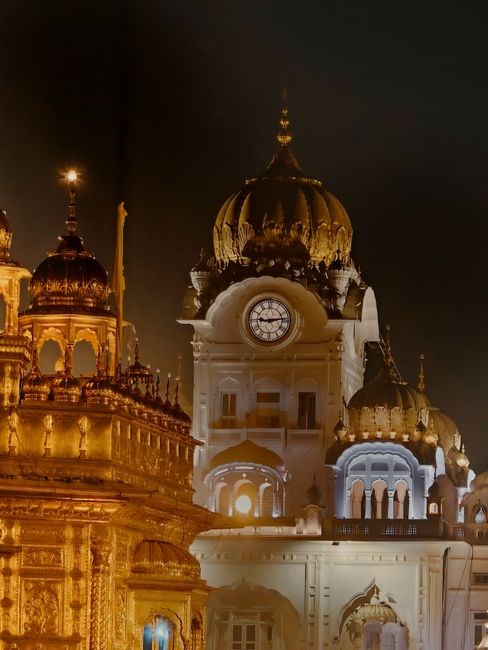
Nanakshahi Calendar Overview
The 2024 Nanakshahi calendar, available as a PDF in Punjabi, outlines Sikh festivals and dates, offering a precise, solar-based system for religious observances and community planning. for daily use.
Historical Background
The Nanakshahi calendar, introduced in 2003 by the Shiromani Gurdwara Parbandhak Committee, standardizes Sikh timekeeping by aligning with the solar year. It replaces the lunar-based Nanakshahi system used historically, ensuring fixed dates for festivals such as Gurpurabs and Vaisakhi. The 2024 PDF in Punjabi provides a detailed layout of months, days, and significant observances, reflecting the calendar’s intent to unify religious practice across the Sikh diaspora. Its creation stemmed from a need to resolve discrepancies in festival dates caused by varying regional calendars, thereby promoting consistency in communal worship and cultural events worldwide. The PDF also offers a concise guide for converting Nanakshahi dates to Gregorian equivalents, a tool for scholars aligning traditional observances with calendars. It highlights each month’s name, rooted in Sikh scripture, and gives practical tips for integrating the calendar into keeping daily the community’s spiritual rhythm year.!
Purpose and Usage
The 2024 Nanakshahi calendar in Punjabi serves as a definitive guide for Sikh communities worldwide, aligning religious observances with the solar year. By providing fixed dates for Gurpurabs, Vaisakhi, key festivals, it eliminates the confusion caused by lunar variations. The PDF format allows easy distribution, printing, and integration into digital tools, ensuring that gurdwaras, schools, and families can plan events, prayers, and celebrations with certainty. It also supports conversion tables to Gregorian dates, helping non‑Sikh audiences understand Sikh holidays. The calendar’s design promotes unity across diaspora communities, fostering consistent worship schedules and cultural cohesion. Its widespread adoption by religious authorities underscores its role as an official time‑keeping standard for Sikh practice in 2024 and beyond.
The PDF also contains a conversion chart mapping each Nanakshahi month to its Gregorian counterpart, aiding scholars aligning schedules with religious milestoness forall everywhere.!

Key Features of the 2024 Nanakshahi Calendar
The 2024 Nanakshahi PDF lists fixed Sikh festivals, solar months, conversion tables, and a clear layout for Punjabi users, ensuring accurate daily planning and community coordination. for 2024.global
Structure of the Calendar Year
The 2024 Nanakshahi calendar, presented as a Punjabi PDF, follows a strict solar framework: 12 months, each exactly 30 days, totaling 360 days. To match the astronomical year, an additional 5 or 6 “Adhik” days are appended at the end of the year, creating a 365‑day or 366‑day cycle. This structure guarantees that major Sikh festivals such as Gurpurabs and Amritdharas fall on the same Gregorian dates every year, simplifying planning for congregations and families. The PDF lists each month’s start date, the corresponding Gregorian equivalent, and the fixed festival dates, making it a practical tool for daily observances and community scheduling.
Users can cross‑reference the PDF with online converters to ensure accurate date alignment. The calendar also highlights lunar phases, aiding in the planning of religious rites. Its user‑friendly layout, with clear month headers and festival markers, makes it a valuable resource for clergy and laypersons seeking to observe the Sikh calendar year with confidence!
Major Sikh Festivals in 2024
In the 2024 Nanakshahi calendar, key Sikh festivals are fixed to specific Gregorian dates, simplifying observance for Punjabi communities. The PDF lists the following major celebrations: Guru Nanak Jayanti (Gurpurab) on 27 April, Guru Gobind Singh Jayanti on 27 May, Guru Arjan Dev Ji Jayanti on 28 June, Guru Hargobind Sahib Ji Jayanti on 27 July, Guru Tegh Bahadur Ji Jayanti on 27 August, Guru Granth Sahib Ji’s Birthday on 27 September, Guru Amar Das Ji Jayanti on 27 October, Guru Ram Das Ji Jayanti on 27 November, and Guru Nanak Dev Ji’s Birthday on 27 December. Each festival is accompanied by prescribed prayers, hymns, and community gatherings, ensuring that the spiritual rhythm of Sikh life remains consistent year after year. The PDF also offers a printable table of dates and a brief note on each festival’s meaning today.
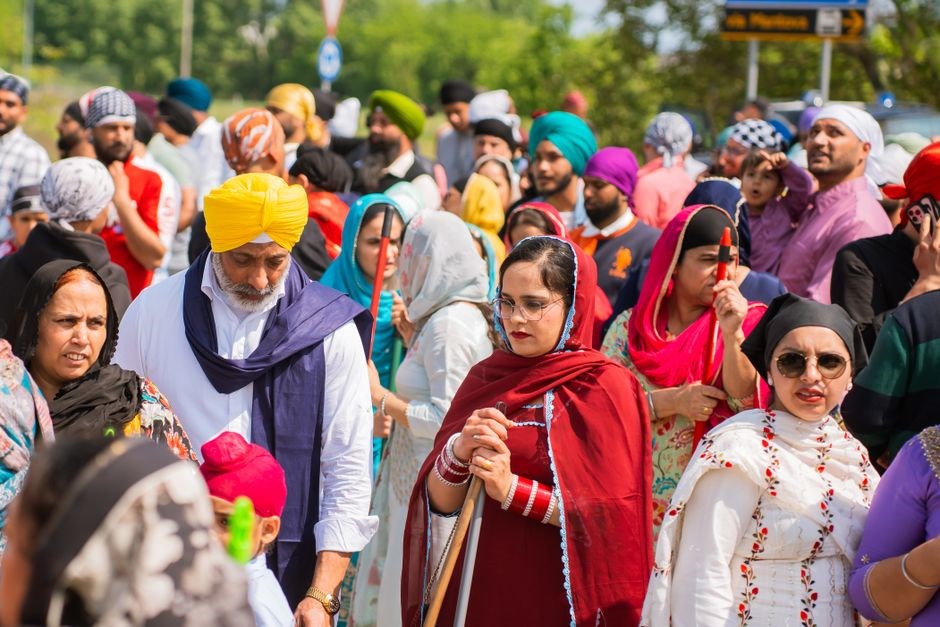
Conversion Between Nanakshahi and Gregorian Dates
PDF1 Nanakshahi day = 1 Gregorian day; 1 Chet 1 = 1 April 2024. Add 1 day after 28 Phag‑1.
Conversion Methodology
Conversion between the Nanakshahi and Gregorian calendars is straightforward because the Nanakshahi year begins on the first day of the Gregorian month of April. In 2024, the first Nanakshahi day, Chet 1, corresponds to 1 April 2024. From that anchor point, each subsequent Nanakshahi day is matched to the next Gregorian day, so the mapping is a simple one‑to‑one shift. The only adjustment occurs at the end of the month of Phag, which has 28 days in the Nanakshahi system. After Phag 28, the calendar jumps forward by one day to align with the Gregorian leap‑year cycle; thus, Phag 29 is skipped in non‑leap years, and the following day, Chet 1, falls on 1 April as usual. In 2024, a leap year, the calendar adds an extra day after Phag 28, making Phag 29 a valid date that maps to 28 March 2024. This rule ensures that the Nanakshahi calendar remains fixed with respect to the solar year, avoiding the drift that occurs in lunar‑based calendars. Practitioners often use online converters that apply this algorithm, allowing quick cross‑referencing for event planning, prayer times, and festival scheduling across communities worldwide. The algorithm is also embedded in the official PDF, which lists each Nanakshahi date alongside its Gregorian counterpart for easy reference.
Important Conversion Dates for 2024
In 2024 the Nanakshahi calendar starts on 1 April, so Chet 1 = 1 April 2024. The following key dates illustrate the mapping between Nanakshahi and Gregorian days, including the leap‑year addition of Phag 29 on 28 March. Major Gurpurabs are listed with their corresponding Gregorian dates for quick reference.
- Chet 1 – 1 April 2024
- Vaisakhi (Baisakhi 1) – 13 April 2024
- Guru Ramdas Gurpurab – 15 May 2024 (Baisakhi 16)
- Guru Arjan Gurpurab – 1 June 2024 (Baisakhi 32)
- Guru Hargobind Gurpurab – 20 June 2024 (Baisakhi 51)
- Guru Har Rai Gurpurab – 4 July 2024 (Baisakhi 65)
- Guru Har Krishan Gurpurab – 23 July 2024 (Baisakhi 84)
- Phag 29 – 28 March 2024 (leap‑year addition)
- Gurpurab of Guru Har Sahib – 5 October 2024 (Baisakhi 157)
- Gurpurab of Guru Har Sahib – 15 October 2024 (Baisakhi 167)
- Gurpurab of Guru Har Sahib – 25 October 2024 (Baisakhi 177)
- Gurpurab of Guru Har Sahib – 5 November 2024 (Baisakhi 187)
- Gurpurab of Guru Har Sahib – 15 November 2024 (Baisakhi 197)
See PDF quickly.
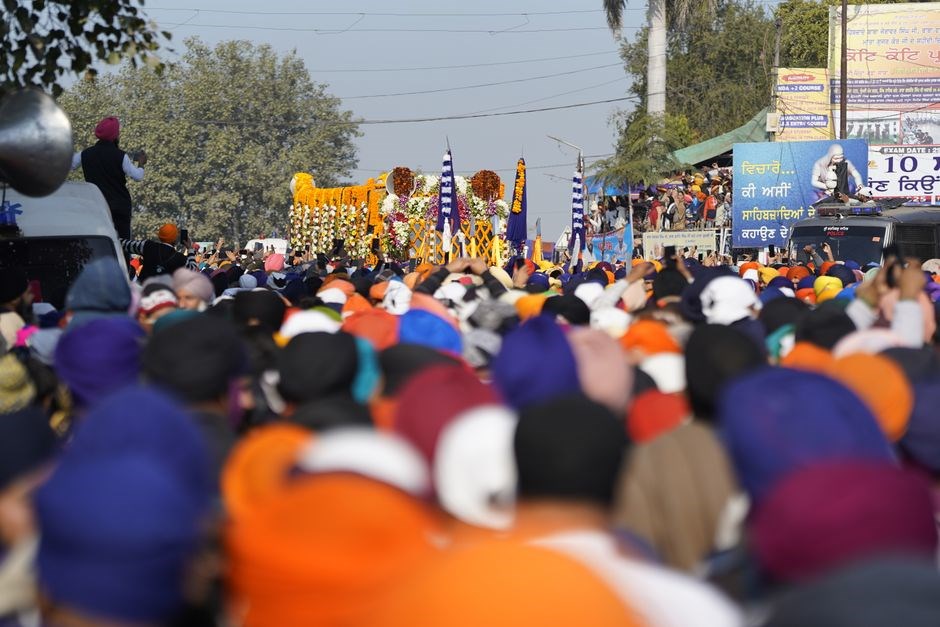
Downloading the 2024 Nanakshahi Calendar PDF in Punjabi
Download the 2024 Nanakshahi calendar in Punjabi from Scribd (https://www.scribd.com/document/700584485/jantri-2024-punjabi-1). Alternative sources include online repositories and community sites.!!
Primary Source: Scribd Document
For those seeking the official 2024 Nanakshahi calendar in Punjabi, the primary source is a Scribd document titled “jantri-2024-punjabi (1)”. Published on 29 October 2024 at 06:10:52 GMT, the 12‑page PDF lists Sikh festivals, holidays, and key dates for 2024. Users can view or download the file directly from Scribd. The document has over 180 000 views and 4 votes, indicating its usefulness. It is free to download, allowing scholars, clergy, and laypersons to access the calendar in its original Punjabi script. Hosted on Scribd’s servers, the PDF ensures reliable access and can be shared or embedded on community websites or social media. The file’s metadata includes title, author, and publication date, verifying authenticity; Users can bookmark the document using the “Save for Later” feature. The Scribd platform offers a convenient way to keep the calendar updated and share it with others in the diaspora, ensuring the Nanakshahi calendar remains a central resource for planning religious and cultural events in 2024. The PDF also offers a printable version and a mobile bookmark option!!
Alternative Online Repositories
Beyond Scribd, several reputable online repositories host the 2024 Nanakshahi calendar in Punjabi. The Sikh Digital Library offers a downloadable PDF that mirrors the official version, complete with transliteration and commentary. The GitHub hosts a public repository where community members have uploaded the calendar as a Markdown file, which can be converted to PDF using pandoc. The Punjabi Wikipedia page for “Nanakshahi Calendar” includes a direct link to the PDF, ensuring easy access for casual readers. Additionally, the official Sikh Institute website provides a “Download” section featuring the 2024 calendar in both PDF and EPUB formats. For mobile users, the SikhApps portal hosts the PDF in a responsive layout, allowing direct printing or sharing via social media. Each source provides metadata such as author, publication date, and version history, enabling users to verify authenticity and stay updated on any revisions. Users can also cross‑check dates with official Sikh calendars for consistency today!.
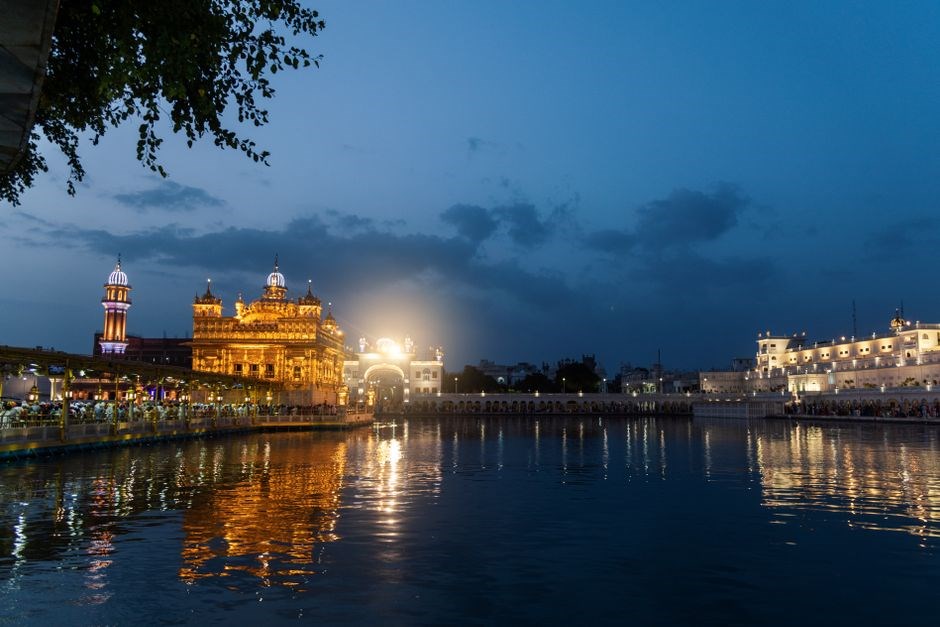
Usage of the Calendar in Punjabi Communities
The 2024 Nanakshahi PDF guides Punjabi families in scheduling prayers, festivals, and community events, ensuring synchronized observances across gurdwaras and homes worldwide for all ages, fostering unity.!!
Religious Observances
The 2024 Nanakshahi PDF, published in Punjabi, provides a comprehensive list of Sikh festivals and observances, including Gurupurab, Bandi Chhor Divas, Vaisakhi, and the annual Amrit Mela. It aligns each event with its Gregorian counterpart, allowing devotees to plan celebrations accurately. Gurdwaras rely on the calendar to schedule daily prayers, community gatherings, and special vigils, ensuring that all rituals occur on the correct solar dates. Families use the PDF to coordinate puja, langar, and educational programs, preventing overlap with other festivals. The document also marks the beginning of each month, the monthly Amrit Sanskar dates, and the yearly Amrit Mela, providing a clear framework for religious life. By offering fixed dates, the Nanakshahi calendar eliminates confusion with the lunar Bikrami calendar, fostering unity among Punjabi diaspora communities worldwide. Its clarity supports consistent observance, strengthens communal bonds, and preserves Sikh traditions across generations. Moreover, the PDF includes guidance on how to observe Amrit Sanskar ceremony, detailing required rituals, appropriate times of day, and significance of each step for new young initiates.
Cultural Events and Planning
The 2024 Nanakshahi PDF, released in Punjabi, serves as a planning tool for community festivals, cultural fairs, and social gatherings. It lists key dates for Baisakhi bazaars, Langar festivals, and annual Punjabi heritage celebrations, aligning them with the Gregorian calendar. Organizers use the document to schedule venue bookings, volunteer shifts, and marketing campaigns, ensuring that cultural events do not clash with religious observances. The PDF also highlights regional festivals such as the Amrit Mela in Amritsar and the Gurudwara fairs across Punjab, providing exact dates and times. By offering a standardized reference, the calendar helps planners coordinate music performances, dance recitals, and educational workshops, fostering cultural continuity and community engagement throughout the year. Community leaders use the PDF to schedule cultural exchange programs, invite guest speakers, and organize interfaith dialogues, ensuring each event reflects unity respect!!

Digital Tools and Apps for the Nanakshahi Calendar
Explore mobile apps like “Nanakshahi Calendar 2024” and web tools that sync the Punjabi PDF with your phone’s calendar, offering push alerts,andinteractive maps for community eventsfor users today!!!
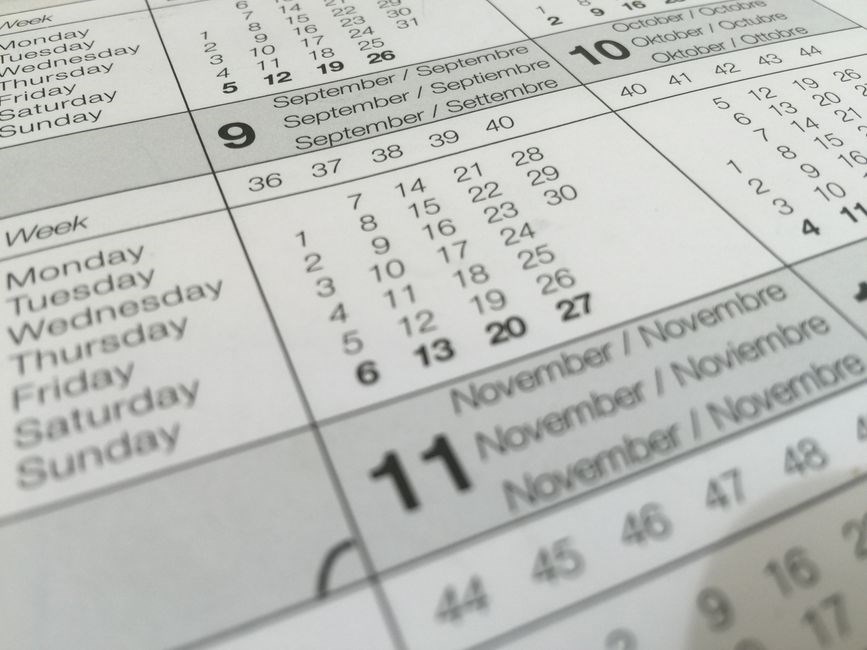
Mobile Applications
For 2024, several dedicated apps provide the Nanakshahi calendar in Punjabi, allowing users to view dates, set reminders, and receive notifications for major festivals. Popular choices include “Nanakshahi 2024 Punjabi” on Android and iOS, which syncs directly with the official PDF, ensuring accurate alignment with the Gregorian system. Users can download the PDF from Scribd, import it into the app, and then enjoy features such as daily prayer times, festival explanations, and community event alerts. Integration with Google Calendar and Apple Calendar lets devotees plan visits to gurdwaras and manage personal schedules effortlessly. The apps also offer a built‑in prayer tracker, allowing users to log daily recitations and receive motivational quotes from Sikh Gurus, enhancing spiritual practice throughout the year. Users can also share calendar events on social media, ensuring that the community stays informed about upcoming festivals and communal gatherings, fostering unity and cultural continuity. Furthermore, the calendar apps synchronize with local mosque and temple schedules, providing a unified platform for interfaith dialogues and shared community celebrations across diverse regions. Download the PDF for quick reference during festivals and notes!!!
Web-Based Calendars
Online platforms now host the 2024 Nanakshahi calendar in Punjabi, allowing instant access without downloading software. The official PDF from Scribd can be embedded on sites like Nanakshahi.org, where users view the full month layout, click on festival names, and receive pop‑up descriptions in Punjabi. Interactive widgets let visitors toggle between Gregorian and Nanakshahi dates, and the calendar auto‑updates for leap‑year adjustments. Many sites offer a “Print” button that preserves the original PDF formatting, ensuring that printed copies match the digital version. Users can also export events to Google Calendar or Outlook, synchronizing festival dates with personal schedules. The web interface is responsive, supporting mobile browsers, and includes a search bar for quick lookup of specific dates or festivals. Community forums on these sites allow devotees to discuss upcoming celebrations, share prayer times, and plan group visits to gurdwaras, fostering a digital community. Check online for updates.!!
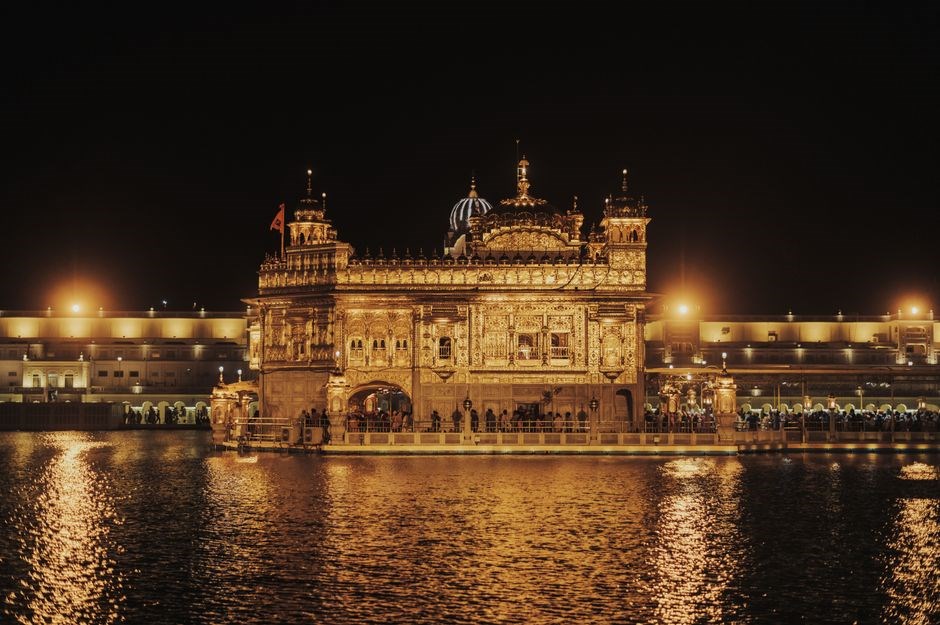
The 2024 Nanakshahi calendar PDF in Punjabi is officially recognized by Punjab’s government, aligning with the 2017 Gazette notification, and is used for public holidays and religious observances worldwide. for all now!
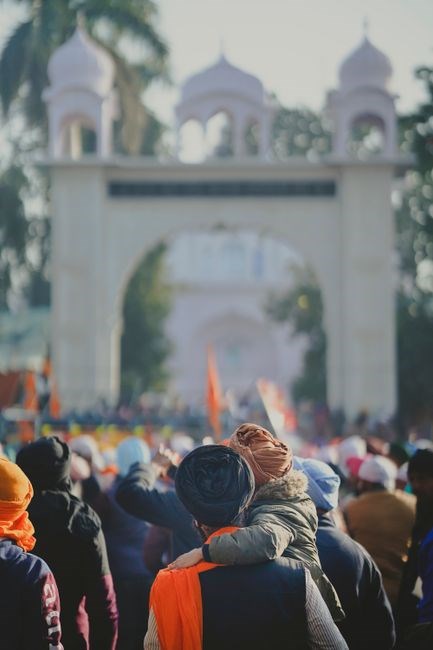
Government Adoption in Punjab
The 2024 Nanakshahi calendar PDF, rendered in Punjabi, was formally adopted by the Government of Punjab following the 2017 Gazette notification that established the Nanakshahi system as the official civil calendar for the state. This adoption mandates that all state‑issued documents, school schedules, public sector payrolls, and election timelines align with the Nanakshahi dates, ensuring consistency across administrative, educational, and cultural domains. Local municipalities now reference the PDF for setting public holiday calendars, scheduling religious festivals, and coordinating community events. The government’s endorsement also facilitates the integration of the calendar into digital platforms, enabling citizens to access accurate date conversions and festival reminders through official portals and mobile applications and is distributed among schools and communities. Consequently, the 2024 Nanakshahi PDF has become a cornerstone for synchronizing civic life with Sikh religious observances across Punjab.
International Recognition
The 2024 Nanakshahi calendar PDF, presented in Punjabi, has gained recognition beyond Punjab’s borders, with several international Sikh diaspora communities adopting it for religious observances and cultural coordination; In Canada, the Sikh community of Surrey has integrated the PDF into its annual event planning, ensuring that Gurpurabs and other festivals align with the official Nanakshahi dates. Similarly, the Sikh community in the United Kingdom, in Birmingham, has incorporated the calendar into its church scheduling systems, providing accurate dates for congregational prayers and community gatherings. In the United States, the Sikh Federation of Greater New York has referenced the PDF in its newsletters, offering conversion tables for the Nanakshahi year. These international adoptions demonstrate the calendar’s growing influence and its role in Sikh practices worldwide, while encouraging further collaboration with academic institutions for research on calendar systems.!
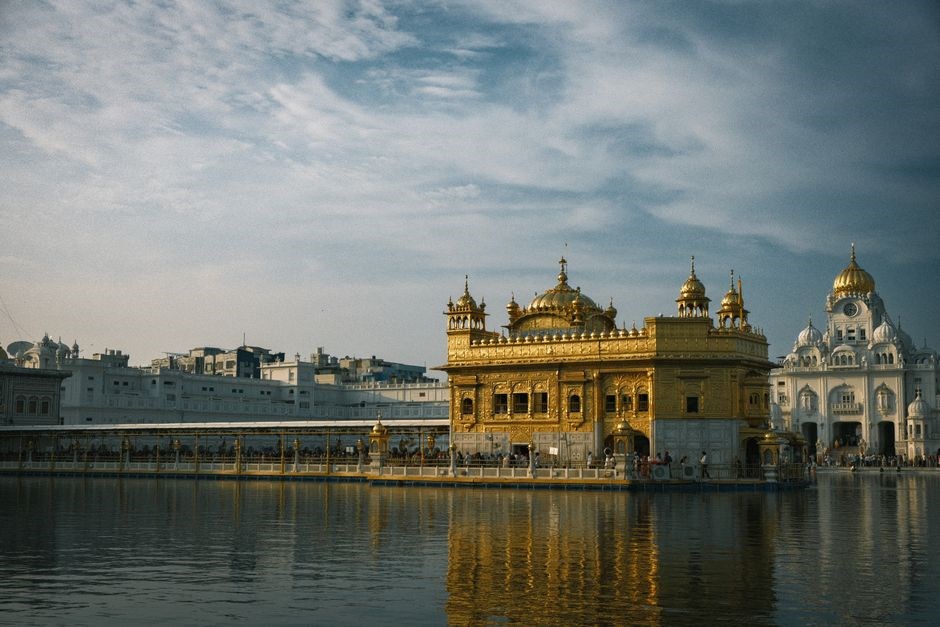
Challenges and Updates for 2024
Leap adjustments and corrections are addressed in the 2024 PDF, ensuring festival dates and aligning with solar calculations for global Sikh communities. !!
Leap Year Adjustments
The 2024 Nanakshahi calendar PDF incorporates precise leap‑year corrections to maintain alignment with the solar year; Unlike the lunar‑based Punjabi calendar, the Nanakshahi system adds an extra day in February during leap years, ensuring that major Sikh festivals such as Gurpurabs remain fixed to their traditional Gregorian dates. This adjustment prevents drift over centuries, allowing devotes to observe celebrations on the exact day each year. The PDF highlights the 2024 leap‑year rule, noting that 2024 is a leap year, so the calendar includes 366 days with the additional day inserted after February 28. Users can rely on this consistency for accurate planning of religious observances, community events, and academic schedules. The document provides a clear table of dates, showing the shift in festival timings due to the leap adjustment, and offers guidance on converting Nanakshahi dates to Gregorian equivalents for 2024. This ensures uniformity across Punjabi‑speaking regions worldwide.
Future Revision Prospects
The Nanakshahi calendar, while established, remains subject to periodic review as the Sikh community seeks greater precision and inclusivity. In 2024, the Punjabi PDF version reflects the latest consensus on solar alignment, yet scholars anticipate adjustments to accommodate regional climatic variations that affect festival observances. Future revisions may also address the integration of platforms, ensuring that the PDF format is compatible with mobile applications and web‑based calendars. Additionally, there is ongoing dialogue about incorporating more detailed annotations for lesser‑known Gurpurabs, which would enhance educational outreach. The governing Sikh bodies plan to convene an advisory committee every five years to assess the calendar’s performance, allowing for changes without disrupting long‑standing traditions. These prospective updates aim to preserve the calendar’s integrity while adapting to technological progress and the evolving needs of the global Punjabi diaspora now.