Vietnam Tour Guide: A Comprehensive Plan
Embark on an unforgettable journey! This guide details Vietnam’s diverse landscapes, vibrant cities, cultural insights, and practical travel advice for an enriching experience․
Welcome to Vietnam, a land of captivating beauty and rich history! Stretching over 2,000 km, from the northern mountains to the southern Mekong Delta, Vietnam offers an incredibly diverse experience․ Explore bustling metropolises like Hanoi and Ho Chi Minh City, alongside serene landscapes such as Ha Long Bay․
This Southeast Asian gem boasts a unique culture, influenced by centuries of tradition and French colonial history․ Discover ancient towns like Hoi An, imperial cities like Hue, and vibrant floating markets․ Prepare to be amazed by the country’s stunning geography, delicious cuisine, and warm hospitality․
Planning Your Trip
Careful planning is key to a seamless Vietnam adventure! Consider the length of your stay, as Vietnam’s vastness requires time to explore․ Determine your interests – history, nature, food, or culture – to tailor your itinerary․ Research key destinations like Ha Long Bay, Hoi An, and Ho Chi Minh City․
Routard․com provides invaluable resources, including maps, weather forecasts, and suggested routes․ Factor in travel time between regions, and be realistic about what you can achieve․ Booking accommodations and transportation in advance, especially during peak season, is highly recommended․
Best Time to Visit
Vietnam’s climate varies significantly by region, influencing the ideal time to visit․ Generally, the dry season (November to April) offers pleasant weather across most of the country․ However, the north experiences cooler temperatures during winter months․
For maximum sunshine and optimal temperatures, consider visiting between February and April․ Avoid the rainy season (May to October), particularly in central Vietnam, which can experience typhoons․ Routard․com details specific regional weather patterns, aiding in precise travel planning for a comfortable experience․
Visa and Entry Requirements
Most nationalities require a visa to enter Vietnam, though visa policies are subject to change․ Currently, e-visas are available for eligible citizens, streamlining the application process․ Ensure your passport has at least six months of validity remaining from your date of entry․
Routard․com provides up-to-date information on visa regulations and application procedures․ Travelers should check the latest requirements based on their citizenship before travel to avoid potential entry issues․ Confirm necessary documentation for a smooth border crossing․
Key Destinations: Northern Vietnam
Northern Vietnam captivates with stunning landscapes and cultural richness․ Ha Long Bay, a UNESCO World Heritage site, boasts emerald waters and towering limestone karsts – a truly breathtaking natural wonder․ Hanoi, the capital, offers a blend of ancient history and modern vibrancy․
Venture to Sapa, famed for its trekking opportunities amidst rice terraces and encounters with diverse hill tribes․ Explore the mountainous regions, experiencing authentic Vietnamese life and enjoying panoramic views․ This region is a must-see!
Hanoi: The Capital City
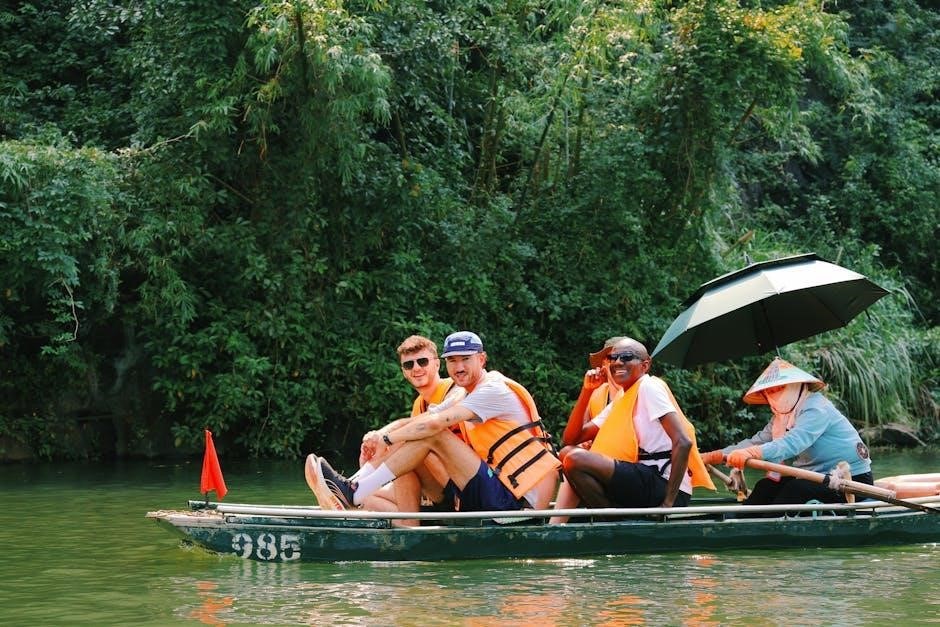
Hanoi, a city steeped in history, offers a captivating blend of old and new․ Explore the Old Quarter’s narrow streets, bustling with commerce and traditional shops․ Visit Hoan Kiem Lake and Ngoc Son Temple, iconic landmarks reflecting Vietnamese culture․
Delve into the city’s museums, showcasing Vietnam’s rich heritage․ Enjoy traditional water puppet shows and savor delicious street food․ Hanoi’s French colonial architecture adds to its unique charm, creating an unforgettable urban experience․
Ha Long Bay: Natural Wonder
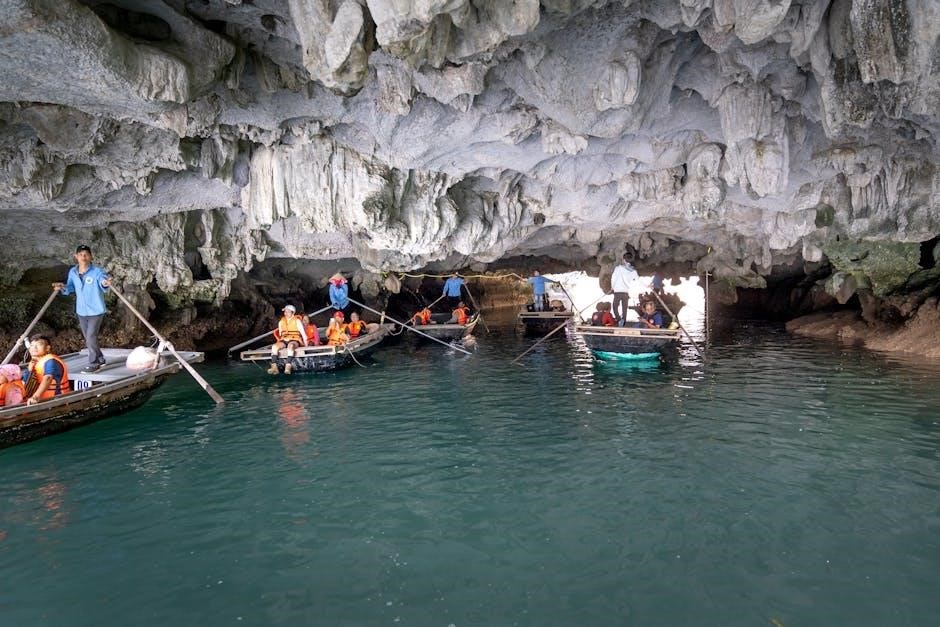
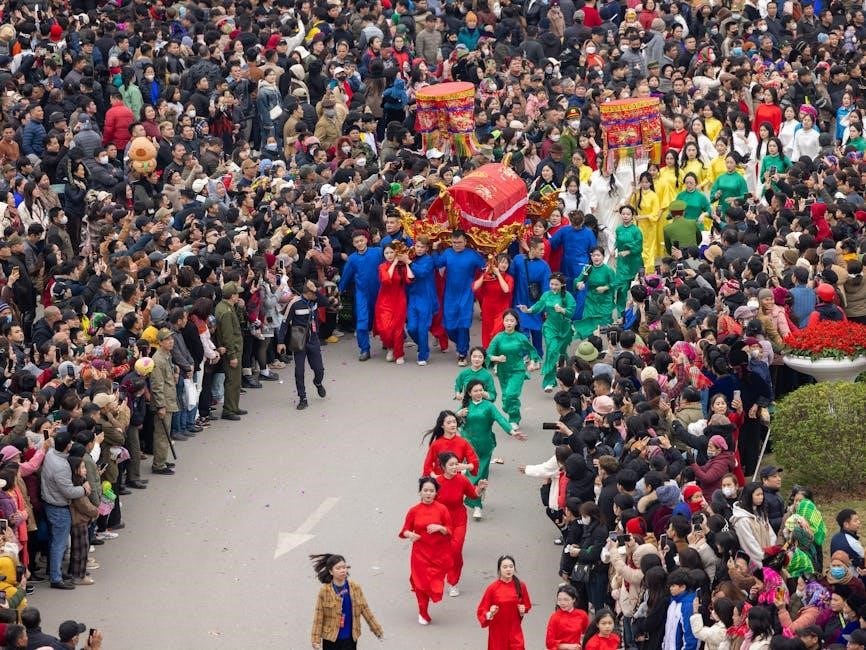
Ha Long Bay, a UNESCO World Heritage site, is a breathtaking spectacle of limestone karsts and emerald waters․ Cruise through the bay, marveling at the thousands of islands and hidden caves․ Kayak through tranquil lagoons and explore stunning grottoes like Sung Sot Cave․
Enjoy fresh seafood onboard and witness spectacular sunsets․ Ha Long Bay offers an unforgettable experience, immersing you in a landscape of unparalleled beauty and serenity․ It’s truly a jewel of Vietnam․
Sapa: Trekking and Hill Tribes
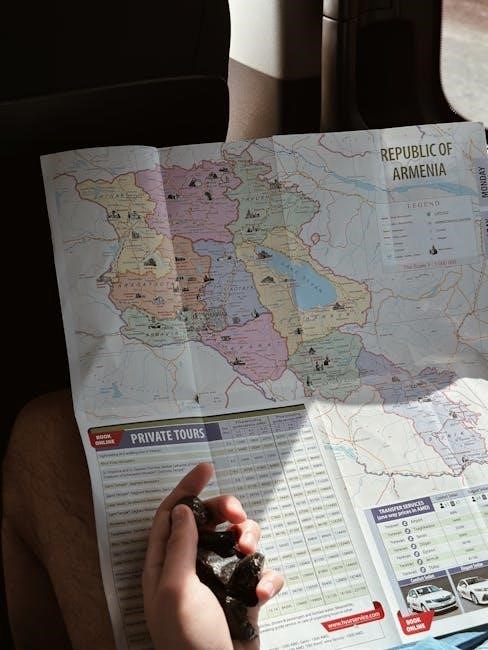
Venture into the mountainous region of Sapa, a haven for trekkers and culture enthusiasts․ Explore lush rice terraces cascading down hillsides, and encounter vibrant hill tribe communities like the Hmong, Dao, and Tay․
Immerse yourself in their unique traditions and lifestyles through village visits․ Trekking routes range from easy walks to challenging climbs, offering stunning panoramic views․ Sapa provides an authentic cultural experience amidst breathtaking natural beauty․
Central Vietnam Highlights
Discover the historical and scenic wonders of Central Vietnam․ This region boasts a captivating blend of ancient history, charming towns, and stunning coastal landscapes․ Explore the imperial city of Hue, a UNESCO World Heritage site, and delve into Vietnam’s royal past․
Wander through the tailor shops of Hoi An, another UNESCO gem, and relax on the beautiful beaches of Da Nang․ Central Vietnam offers a diverse experience for every traveler, blending culture and relaxation seamlessly․
Hoi An: Ancient Town and Tailoring
Step back in time in Hoi An, a remarkably preserved ancient trading port․ This UNESCO World Heritage site captivates with its colorful architecture, lantern-lit streets, and rich cultural heritage․ Explore historic houses, Chinese assembly halls, and the iconic Japanese Covered Bridge․
Hoi An is renowned for its skilled tailors; get custom-made clothing at incredibly affordable prices․ Enjoy delicious local cuisine and experience the town’s unique charm – a truly unforgettable destination!
Hue: Imperial City
Discover Hue, Vietnam’s former imperial capital, steeped in history and grandeur․ Explore the Citadel, a sprawling fortress mirroring Beijing’s Forbidden City, and wander through the Imperial Enclosure, once home to emperors and their courts․
Visit the serene tombs of emperors like Tu Duc and Khai Dinh, showcasing elaborate architecture and tranquil gardens․ A boat trip on the Perfume River offers picturesque views, completing a journey through Vietnam’s regal past․
Da Nang: Beaches and Modernity
Experience Da Nang, a dynamic coastal city blending beautiful beaches with modern development․ Relax on My Khe Beach, renowned for its soft sands and clear waters, or explore Non Nuoc Beach, famous for its marble sculpting villages․
Marvel at the Dragon Bridge, a spectacular structure that breathes fire on weekend nights, and visit the Marble Mountains, offering panoramic views and cave temples․ Da Nang provides a vibrant mix of relaxation and urban exploration․
Southern Vietnam Exploration
Discover the captivating south, a region brimming with energy and natural beauty․ Begin in Ho Chi Minh City (Saigon), a bustling metropolis offering historical sites, vibrant nightlife, and delicious street food․
Venture into the Mekong Delta, a labyrinth of waterways, floating markets, and lush landscapes․ Experience the unique river life, sample local produce, and witness the traditional way of life․ Southern Vietnam promises an immersive and unforgettable adventure․
Ho Chi Minh City (Saigon): Vibrant Metropolis
Immerse yourself in the dynamic energy of Ho Chi Minh City, formerly known as Saigon․ Explore iconic landmarks like the Notre-Dame Cathedral and the Central Post Office, showcasing French colonial architecture․
Delve into history at the War Remnants Museum and Reunification Palace․ Indulge in the city’s renowned street food scene and experience its bustling markets․ Saigon offers a captivating blend of history, culture, and modern vibrancy, promising an unforgettable urban adventure․
Mekong Delta: Floating Markets and River Life
Journey into the heart of the Mekong Delta, a captivating labyrinth of waterways, rice paddies, and vibrant floating markets․ Experience the unique culture of river life as you cruise along the Mekong, witnessing bustling trade and local communities․
Explore colorful markets like Cai Rang, sample fresh tropical fruits, and visit traditional workshops․ The Mekong Delta offers a glimpse into rural Vietnam, showcasing its agricultural heritage and the resilience of its people – a truly immersive experience․
Vietnamese Culture and Etiquette
Immerse yourself in Vietnam’s rich cultural tapestry, steeped in tradition and history․ Understanding local customs enhances your travel experience and fosters respectful interactions․
Vietnamese culture values respect for elders, modesty, and harmony․ Dress respectfully when visiting temples, remove shoes before entering homes, and avoid public displays of affection․ Learning a few basic Vietnamese phrases demonstrates courtesy and is greatly appreciated․ Embrace the warmth and hospitality of the Vietnamese people for a truly enriching journey․
Vietnam Geography and Landscapes
Discover Vietnam’s stunning geographical diversity, stretching over 2,000 km from north to south․ The country boasts a captivating blend of mountains, deltas, and coastlines․
Northern Vietnam features rugged mountains and terraced rice paddies, while the Mekong Delta in the south presents a lush network of rivers and floating markets․ The central region offers beautiful beaches and historical cities․ Vietnam’s varied ecosystems support diverse flora and fauna, presenting unique environmental challenges and breathtaking scenery․
Transportation in Vietnam
Navigating Vietnam offers diverse options for travelers․ Domestic flights connect major cities efficiently, saving considerable time given the country’s length․
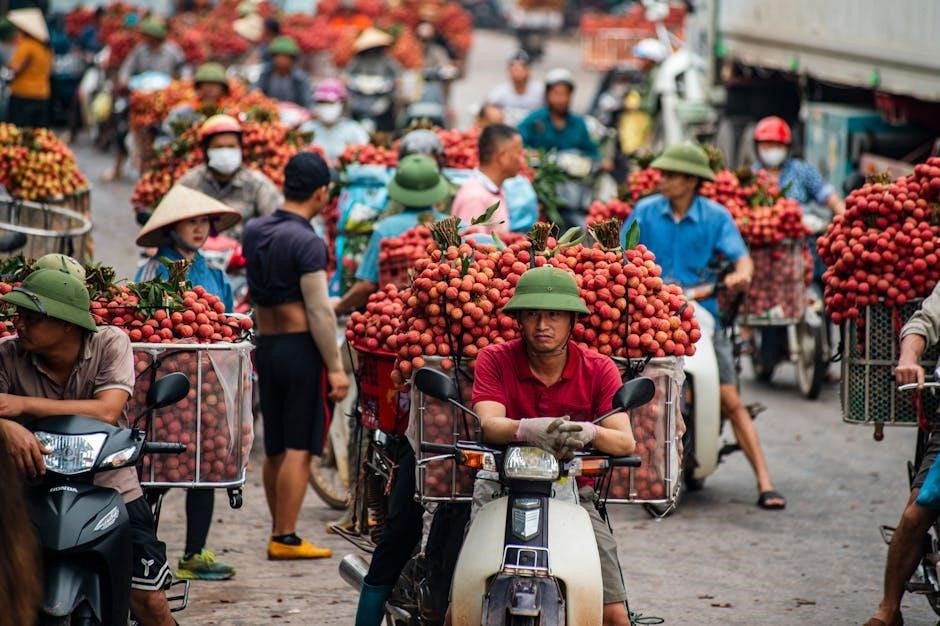
The extensive railway network provides scenic routes, while buses are a budget-friendly choice for longer distances․ For independent exploration, motorbike rentals are popular, though require caution and a valid license․ Consider the distances involved; Vietnam spans roughly the distance between Marseille and Stockholm, making careful planning essential for efficient travel․
Domestic Flights
Vietnam’s domestic flight network is remarkably efficient, connecting key destinations like Hanoi, Ho Chi Minh City, and Da Nang with frequent services․
Airlines such as Vietnam Airlines, Vietjet Air, and Bamboo Airways offer competitive pricing and convenient schedules․ Booking in advance, especially during peak season, is highly recommended․ Flights significantly reduce travel time compared to trains or buses, crucial given Vietnam’s north-to-south expanse of nearly 2000km․ This makes exploring diverse regions much more feasible within a limited timeframe․
Trains and Buses
For budget-conscious travelers, Vietnam’s extensive train and bus networks provide affordable alternatives to flying․ The Reunification Express railway runs the length of the country, offering scenic routes, though journeys are lengthy․
Open Tour buses are popular for backpackers, allowing hop-on-hop-off travel between major tourist hubs․ While slower than flights, these options offer a chance to observe local life and landscapes․ Overnight buses and trains are available, saving on accommodation costs, but comfort levels vary considerably․
Motorbike Rentals
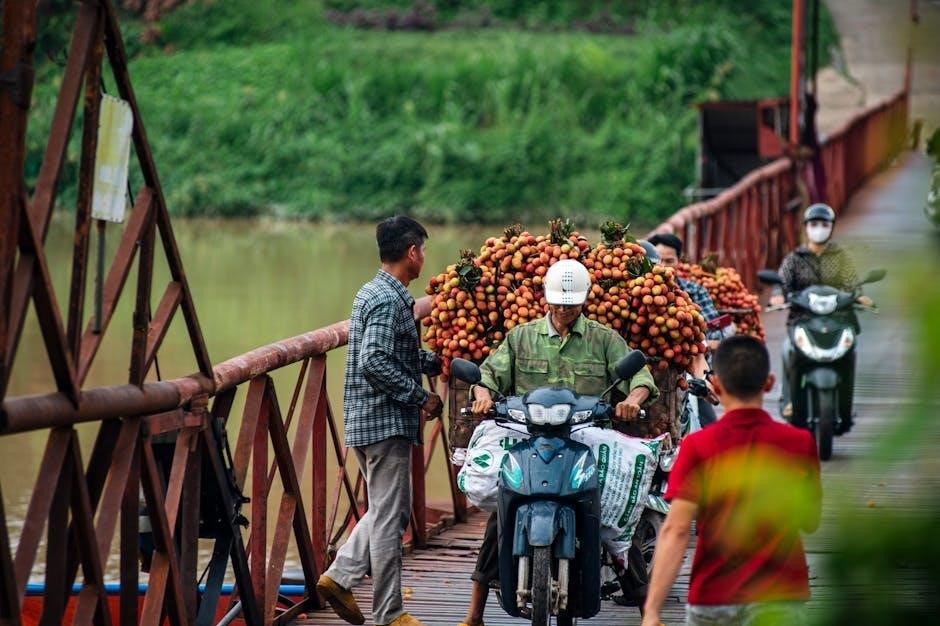
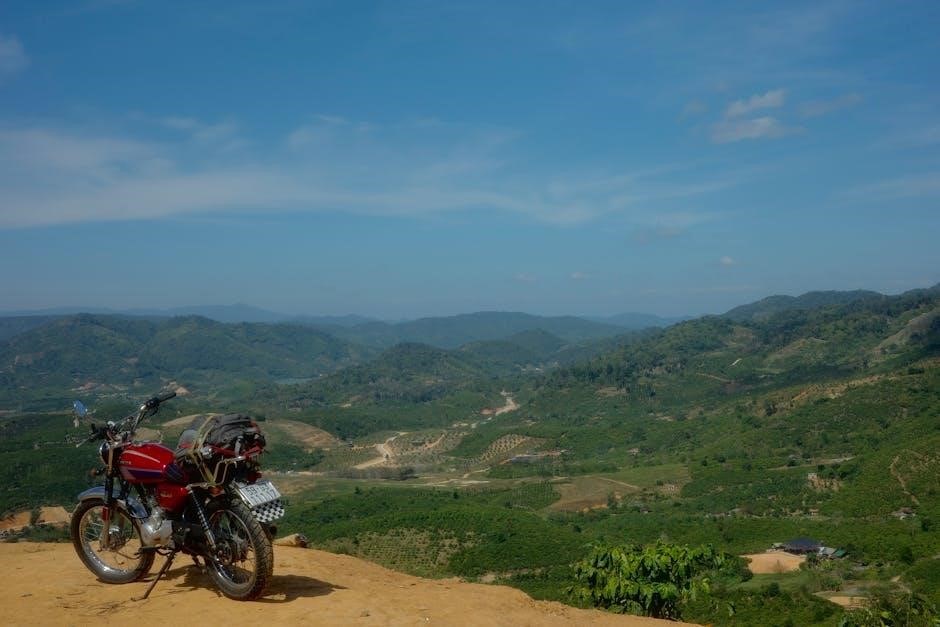
Motorbike rentals are incredibly popular for independent exploration, offering freedom to discover hidden gems․ However, navigating Vietnam’s chaotic traffic requires significant experience and caution․ Ensure you possess a valid international driving permit and comprehensive travel insurance covering motorbike accidents․
Always wear a helmet, inspect the bike thoroughly before rental, and be aware of local traffic laws․ Long-distance motorbike journeys, like the Ha Giang Loop, are rewarding but demand careful planning and preparation․ Consider your skill level before embarking on such adventures․
Vietnamese Cuisine: A Culinary Journey
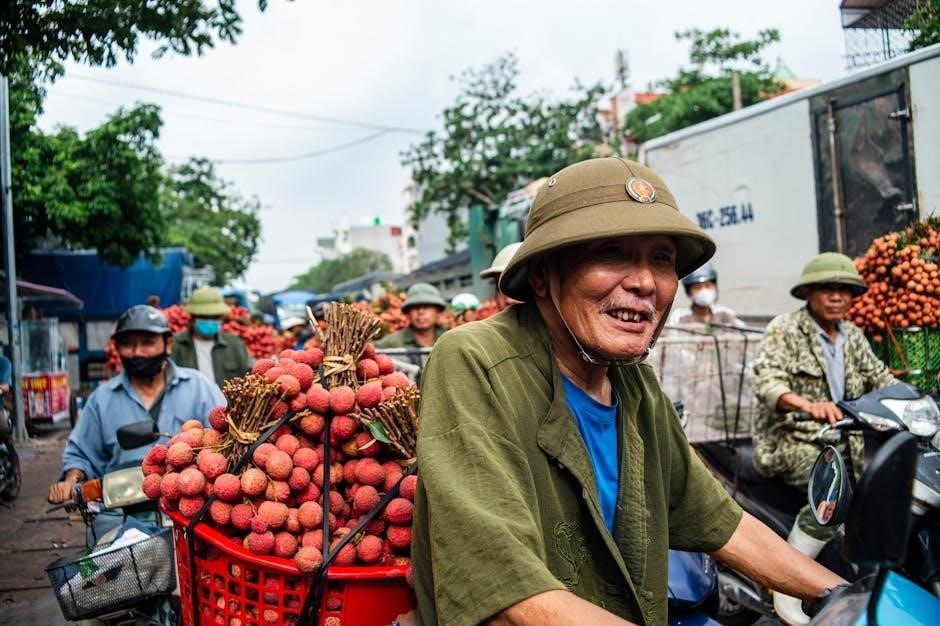
Vietnamese food is a delightful fusion of fresh ingredients, aromatic herbs, and historical influences․ Pho, a flavorful noodle soup, is a national staple, alongside banh mi, a crispy baguette sandwich․ Regional specialties abound – from central Vietnam’s spicy dishes to the Mekong Delta’s fresh seafood․
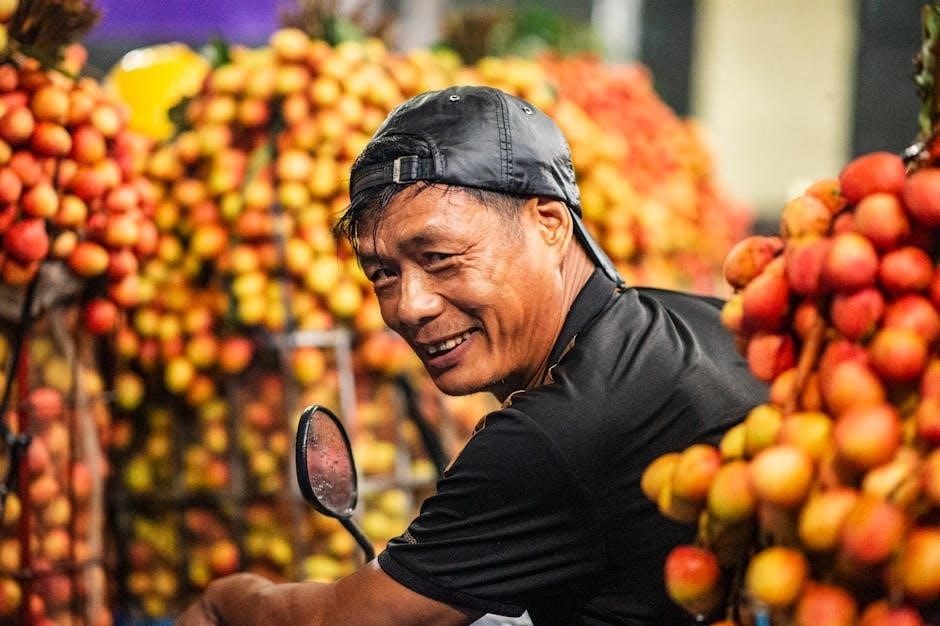
Street food is abundant and affordable; explore local markets and stalls for authentic tastes․ Don’t be afraid to try new things, and embrace the vibrant culinary landscape!
Accommodation Options
Vietnam offers a wide range of lodging to suit every budget and preference․ From luxurious five-star hotels in major cities like Hanoi and Ho Chi Minh City to charming boutique hotels and guesthouses in smaller towns, choices are plentiful․
Budget travelers can find affordable hostels and homestays, offering a chance to connect with locals․ Consider eco-lodges for a sustainable travel experience, particularly in natural areas like Ha Long Bay and Sapa․
Budgeting for Your Vietnam Trip
Vietnam is remarkably affordable, allowing travelers to stretch their budgets further․ Daily expenses can range from $30 to $70, depending on your travel style․ Accommodation, food, and transportation are generally inexpensive․
Factor in costs for tours, activities, and visa fees․ Street food is incredibly cheap and delicious, while restaurants are moderately priced․ Domestic flights and trains offer cost-effective ways to travel between cities․
Safety and Health Considerations
Vietnam is generally a safe country for tourists, but petty theft, especially in crowded areas, can occur․ Be mindful of your belongings and avoid displaying valuables․ Traffic can be chaotic, so exercise caution when crossing streets․
Consult your doctor regarding necessary vaccinations and health precautions․ Drink bottled water and be cautious with street food․ Dengue fever and malaria are present in some regions, so use insect repellent․ Travel insurance is highly recommended for peace of mind․
Useful Vietnamese Phrases
Learning a few basic Vietnamese phrases will greatly enhance your travel experience and demonstrate respect for the local culture․ “Xin chào” (pronounced sin chow) means “hello․” “Cảm ơn” (cam uhn) translates to “thank you,” and “Không có gì” (khong koh zee) means “you’re welcome․”
For shopping, “Bao nhiêu?” (bao nhiêu) asks “how much?” and “Đắt quá!” (dat kwa) means “too expensive!” Knowing these simple phrases can facilitate interactions and create more meaningful connections with the Vietnamese people․
Vietnam in Numbers: Key Statistics
Understanding Vietnam’s basic statistics provides context for your travels․ The capital city is Hanoi, and the largest city is Ho Chi Minh City (Saigon)․ Vietnam’s population currently exceeds 98 million people․ The country spans approximately 331,210 square kilometers (127,880 square miles)․
The official language is Vietnamese, and the currency is the Vietnamese Dong (VND)․ Several sites are UNESCO World Heritage sites, showcasing Vietnam’s rich history and natural beauty․ Key economic sectors include agriculture, industry, and tourism;
Environmental Awareness in Vietnam
Vietnam’s stunning landscapes face increasing environmental challenges․ Recognizing these issues is crucial for responsible tourism․ Deforestation, particularly in mountainous regions, remains a concern, impacting biodiversity and ecosystems․ Pollution, especially in urban areas and industrial zones, affects air and water quality․
Sustainable tourism practices are gaining traction, encouraging visitors to minimize their impact․ Supporting eco-friendly tours and respecting local environments are vital․ Conservation efforts focus on protecting Vietnam’s unique flora and fauna․
Resources and Further Information
Planning your Vietnam adventure requires reliable resources․ Routard․com offers comprehensive travel information, including maps, visa details, weather updates, and suggested itineraries․ Explore official tourism websites for up-to-date guidelines and attractions․
Online forums and travel blogs provide valuable insights from fellow travelers․ Consider guidebooks for detailed historical and cultural context․ Utilize resources detailing Vietnamese customs and etiquette for respectful interactions․ Stay informed about current events and travel advisories before and during your trip․