
Article Plan: Gareth’s Tips, Tools, and Shop Tales PDF
This article dissects Gareth Branwyn’s invaluable resource, a compendium of maker wisdom, exploring its content, unique features, and lasting influence within the crafting community.
Gareth Branwyn is a highly respected figure in the maker community, renowned for his practical knowledge and ability to distill complex techniques into easily digestible advice. He’s widely celebrated as the “Tip Master,” a testament to his knack for uncovering ingenious solutions to common workshop challenges. Branwyn’s work consistently focuses on empowering individuals to create and innovate, bridging the gap between theoretical concepts and hands-on application.
His contributions extend beyond simply telling you how to do something; he explains why a particular method works, fostering a deeper understanding of the underlying principles. This approach is central to his book, “Make: Tips and Tales from the Workshop,” which isn’t just a collection of instructions, but a curated resource built on years of experience and observation. Branwyn’s dedication to accessible making has solidified his position as a leading voice for DIY enthusiasts.
The Core Concept: A Handy Reference for Makers
“Make: Tips and Tales from the Workshop” functions as an indispensable benchtop companion for makers of all skill levels. It’s designed to be a readily accessible resource, brimming with hundreds of ingenious shop tips and pearls of wisdom gathered by the editors of Make magazine and a network of talented creators. The book’s core concept revolves around providing practical, immediately applicable solutions to everyday workshop problems.
Rather than a linear, project-based guide, it’s organized thematically, allowing users to quickly locate information on specific techniques – from measuring and cutting to gluing, fastening, and beyond. This format encourages exploration and serendipitous discovery, often leading to the delightful “Why didn’t I think of that?” moments the book is known for. It’s a toolbox of ideas, not a rigid instruction manual.
Origins of “Tips and Tales from the Workshop”
The book’s genesis lies in the wealth of practical knowledge consistently shared within the Make community. Gareth Branwyn, celebrated as the “Tip Master,” spearheaded the collection and curation of these insights. The origins stem from a desire to consolidate the countless clever solutions, time-saving techniques, and hard-earned wisdom accumulated by experienced makers over years of hands-on work.
Initially, these tips were dispersed across Make magazine articles and online platforms. Recognizing the value of a centralized, comprehensive resource, Branwyn and the Make team compiled them into a single volume. The aim was to create a lasting legacy of maker ingenuity, preserving and disseminating these valuable techniques for generations to come, fostering a spirit of collaborative learning.

Target Audience: Who Benefits from This Book?
“Tips and Tales from the Workshop” caters to a remarkably broad audience within the maker spectrum. It’s invaluable for both novice crafters seeking foundational knowledge and seasoned professionals looking for fresh perspectives and innovative solutions. Woodworkers, electronics enthusiasts, hobbyists, and DIYers will all find relevant and inspiring content within its pages.
The book’s accessibility makes it suitable for anyone interested in hands-on creation, regardless of their skill level. Even individuals with limited workshop experience can benefit from the clear explanations and illustrative examples. Furthermore, the inclusion of real-world stories from experienced makers adds a relatable and engaging dimension, appealing to those who learn best through practical application and shared experiences.

Detailed Content Breakdown
The book comprehensively covers essential techniques – measuring, cutting, gluing, fastening, clamping, joining, and drilling – alongside shop organization and tool maintenance expertise.
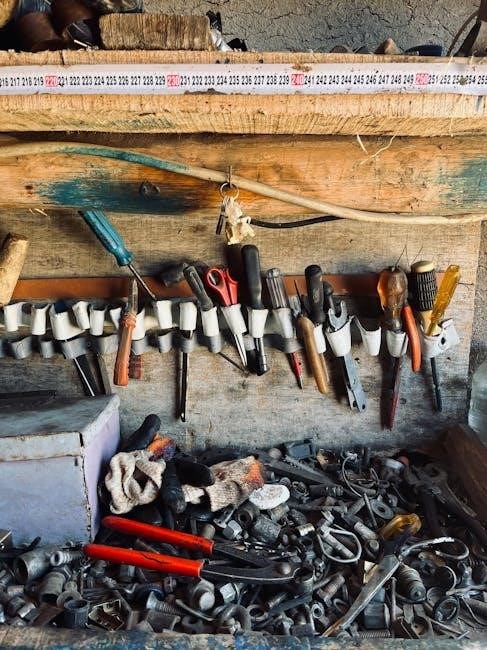
Measuring and Cutting Techniques
Gareth Branwyn’s “Tips and Tales from the Workshop” doesn’t just present standard measuring and cutting practices; it delves into ingenious shortcuts and problem-solving methods accumulated from experienced makers. The book likely features advice on accurately transferring measurements, utilizing various cutting tools – from hand saws to power tools – and achieving precise results even with unconventional materials. Expect to find tips on extending the life of blades, minimizing waste, and compensating for tool imperfections.
Furthermore, the content probably addresses techniques for cutting curves, angles, and intricate shapes, offering practical solutions for common challenges. It’s a section geared towards both beginners seeking foundational knowledge and seasoned makers looking to refine their skills and discover new, efficient approaches. The emphasis is on practical application and avoiding common pitfalls, ensuring clean, accurate cuts every time.

Gluing and Fastening Methods
“Tips and Tales from the Workshop” undoubtedly dedicates significant attention to the art and science of joining materials, covering a spectrum of gluing and fastening techniques. Expect detailed guidance on selecting the appropriate adhesive for different materials – wood, metal, plastic, and more – alongside advice on surface preparation for optimal bond strength. The book likely explores various clamp types and their effective use, ensuring secure and even pressure during the gluing process.
Beyond traditional wood glues, Branwyn’s resource probably delves into alternative fastening methods like screws, nails, rivets, and even more unconventional techniques. It’s a section focused on achieving durable, reliable joints while considering aesthetics and project requirements. Expect practical tips on preventing glue squeeze-out, repairing failed bonds, and maximizing the longevity of fastened connections.
Clamping and Joining Strategies
A cornerstone of successful woodworking, and prominently featured in Gareth Branwyn’s book, is the mastery of clamping and joining. “Tips and Tales from the Workshop” likely provides an extensive overview of clamping techniques, moving beyond simply applying pressure. Expect detailed explanations of different clamp types – bar clamps, pipe clamps, spring clamps, and specialized jigs – and their ideal applications for various projects and materials.
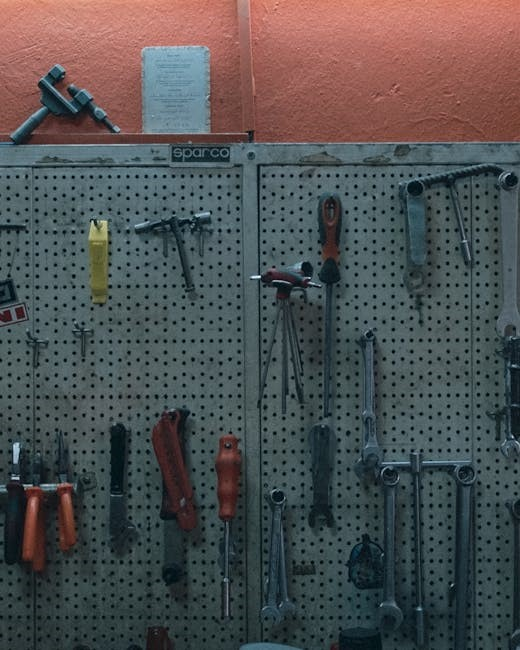
The book probably emphasizes the importance of even pressure distribution to prevent warping or misalignment during glue-ups. Beyond clamping, it likely explores various joining methods, including mortise and tenon, dovetails, and simpler techniques like butt joints and lap joints. Expect insights into strengthening these joints and achieving professional-quality results, alongside troubleshooting common issues encountered during assembly.
Drilling Techniques and Best Practices
Gareth Branwyn’s “Tips and Tales from the Workshop” undoubtedly dedicates significant attention to drilling, a fundamental skill for any maker. The book likely moves beyond basic hole-making, delving into techniques for achieving precision and preventing common pitfalls. Expect guidance on selecting the correct drill bit for different materials – wood, metal, plastic – and understanding drill speed and feed rate.
Furthermore, the resource probably covers techniques like countersinking, counterboring, and using drill presses for accuracy. It likely addresses preventing tear-out on wood, drilling at angles, and creating clean, consistent holes. Expect practical advice on bit sharpening and maintenance, alongside safety precautions to ensure a secure working environment. The book’s focus on “tips” suggests innovative solutions for challenging drilling scenarios.

Shop Organization & Maintenance
Branwyn’s book offers practical advice on maintaining a functional workspace, covering tool storage, shop layout, and repair strategies for longevity and efficiency.
Shop Organization Tips
Gareth Branwyn’s “Tips and Tales from the Workshop” doesn’t just focus on doing – it emphasizes a well-organized shop as fundamental to successful making. The book stresses that time saved through efficient organization directly translates to more time for creative pursuits. It advocates for dedicated spaces for specific tasks, minimizing clutter and maximizing accessibility.
Readers will discover clever hacks for tool storage, from repurposing everyday containers to building custom racks. The importance of vertical space is highlighted, encouraging makers to utilize walls and ceilings for storage solutions. Beyond simply storing tools, the book promotes a system of categorization and labeling, ensuring quick identification and retrieval.
Branwyn’s approach isn’t about sterile perfection; it’s about creating a functional and inspiring environment tailored to the individual maker’s needs. He champions the idea of a “working shop,” one that’s organized enough to be productive but not so pristine that it discourages experimentation and exploration.
Tool Maintenance and Repair
“Tips and Tales from the Workshop” dedicates significant attention to extending the life of your tools through proactive maintenance and repair, a cornerstone of responsible making. Branwyn emphasizes that regular upkeep isn’t merely about preventing breakdowns; it’s about ensuring precision and safety. The book provides practical guidance on cleaning, lubricating, and sharpening various tools, covering both hand tools and power equipment.
Beyond routine maintenance, the book delves into basic repair techniques, empowering makers to address common issues themselves. Readers will find advice on fixing stripped screws, replacing worn parts, and troubleshooting electrical problems. It’s not about becoming a professional repair technician, but about gaining the confidence to tackle simple fixes and avoid costly replacements.
Branwyn’s approach is pragmatic and resourceful, often suggesting clever workarounds and utilizing readily available materials for repairs. He instills a mindset of valuing tools and treating them with respect, recognizing their importance as extensions of the maker’s hand.
Beyond Traditional Woodworking: Electronics Integration
“Tips and Tales from the Workshop” distinguishes itself by acknowledging the increasing intersection of traditional crafts and modern technology, specifically electronics. Gareth Branwyn doesn’t confine the book to solely woodworking techniques; he actively encourages makers to explore integrating electronic components into their projects. This forward-thinking approach reflects the evolving landscape of the maker movement.
The book offers guidance on incorporating simple circuits, sensors, and microcontrollers into woodworking creations, opening up possibilities for interactive art, automated systems, and enhanced functionality. It’s presented in an accessible manner, even for those with limited electronics experience, demystifying the process and fostering experimentation.
Branwyn highlights how electronics can elevate traditional crafts, adding a layer of innovation and personalization. He provides practical tips on wiring, soldering, and safely integrating electronic elements into wooden structures, bridging the gap between the analog and digital worlds.
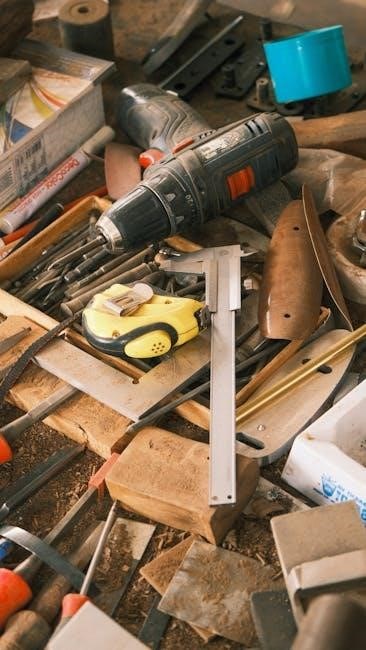
Unique Features of the Book
The book’s charm lies in its diverse visual elements – photos, drawings, and comic strips – alongside the invaluable “Why didn’t I think of that?” ingenuity.
Illustrations: Photos, Drawings, and Comic Strips
Gareth Branwyn’s “Tips and Tales from the Workshop” isn’t just a text-heavy manual; it’s a visually engaging experience. The book is illustrated in full color, a crucial element that elevates it beyond typical how-to guides. Readers benefit from a rich tapestry of visual aids, including clear and instructive photographs demonstrating techniques. These aren’t just static images; they actively show the processes in action, making complex steps easier to understand and replicate.
Beyond photography, the book incorporates helpful drawings that clarify specific mechanisms or construction details. But perhaps most uniquely, Branwyn employs comic strips! These aren’t frivolous additions; they cleverly illustrate common workshop mishaps, humorous anecdotes, and the “aha!” moments that every maker experiences. This blend of visual styles keeps the reader engaged and reinforces the practical advice in a memorable way, truly setting this book apart.
The “Why Didn’t I Think of That?” Factor
A defining characteristic of Gareth Branwyn’s work is its collection of remarkably simple, yet profoundly effective, solutions to common workshop challenges. Readers consistently report experiencing the “Why didn’t I think of that?” moment while flipping through the pages. This isn’t accidental; Branwyn deliberately curates tips that are ingenious in their practicality, often utilizing readily available materials or repurposing existing tools in unexpected ways.
The book excels at presenting these clever hacks and shortcuts, offering a constant stream of inspiration for makers of all skill levels. It’s not about complex engineering or expensive equipment; it’s about smart thinking and resourcefulness. This element of delightful discovery is a core appeal, transforming the book from a mere reference guide into a source of ongoing innovation and problem-solving within the workshop.
Real-World Tales from Experienced Makers
“Tips and Tales from the Workshop” isn’t solely a technical manual; it’s enriched by compelling narratives from seasoned makers. These aren’t abstract instructions, but rather lessons learned through years of hands-on experience, shared directly from the individuals who’ve honed their craft. The book interweaves practical advice with personal anecdotes, offering insights into the thought processes and problem-solving approaches of skilled artisans.
These stories illuminate the context behind the tips, demonstrating how they evolved from real-world needs and challenges. They add a human element, fostering a sense of connection between the reader and the wider maker community. By showcasing the journeys and discoveries of others, Branwyn inspires readers to embrace experimentation and develop their own unique approaches to making;
Availability and Formats (Including PDF)
Gareth Branwyn’s “Tips and Tales from the Workshop” is widely accessible to makers in various formats, catering to diverse preferences. Originally published as a paperback (ISBN 978-1680450798), it’s readily available through major booksellers like Amazon.com and other online retailers. A subsequent edition (ISBN 978-1680456370) also exists in paperback format, expanding upon the original content with even more invaluable tips.
Crucially for digital access, a PDF version of the book is also available, offering portability and convenience for makers who prefer to have the information at their fingertips on tablets, laptops, or smartphones. This digital format allows for easy searching and referencing of specific techniques while in the workshop. The widespread availability ensures this essential resource is within reach for makers globally.

Legacy and Impact
Branwyn’s work cemented his reputation as the “Tip Master,” profoundly influencing the maker movement with practical advice and inspiring countless individuals.
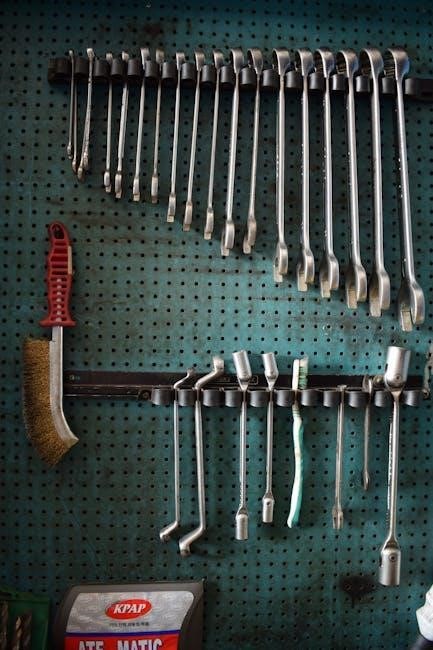
Branwyn’s Reputation as the “Tip Master”
Gareth Branwyn has rightfully earned the moniker “Tip Master” within the maker community, a testament to his exceptional ability to distill complex techniques into easily digestible and remarkably useful advice. This reputation isn’t simply bestowed; it’s built upon years of experience, a keen observational eye, and a genuine passion for sharing knowledge. His contributions, particularly through “Tips and Tales from the Workshop,” have resonated deeply with hobbyists and professionals alike.
The book isn’t just a collection of instructions; it’s a curated compilation of ingenious solutions, often born from real-world challenges faced by experienced makers. Branwyn’s knack for presenting these “Why didn’t I think of that?” moments is a key element of his appeal. He empowers readers to approach projects with confidence and creativity, fostering a spirit of innovation. This consistent delivery of practical wisdom has solidified his position as a trusted guide and a leading voice in the DIY landscape.